Making the move to solar energy is getting more popular, and for good reason. Swapping out traditional power sources for solar isn’t just a trendy idea; it’s a practical way to save money and support a cleaner environment. There’s a lot of information floating around about solar power, so I’m breaking down why switching to solar energy is a smart step right now, and how you can get started.
Why Solar Energy is Growing Fast
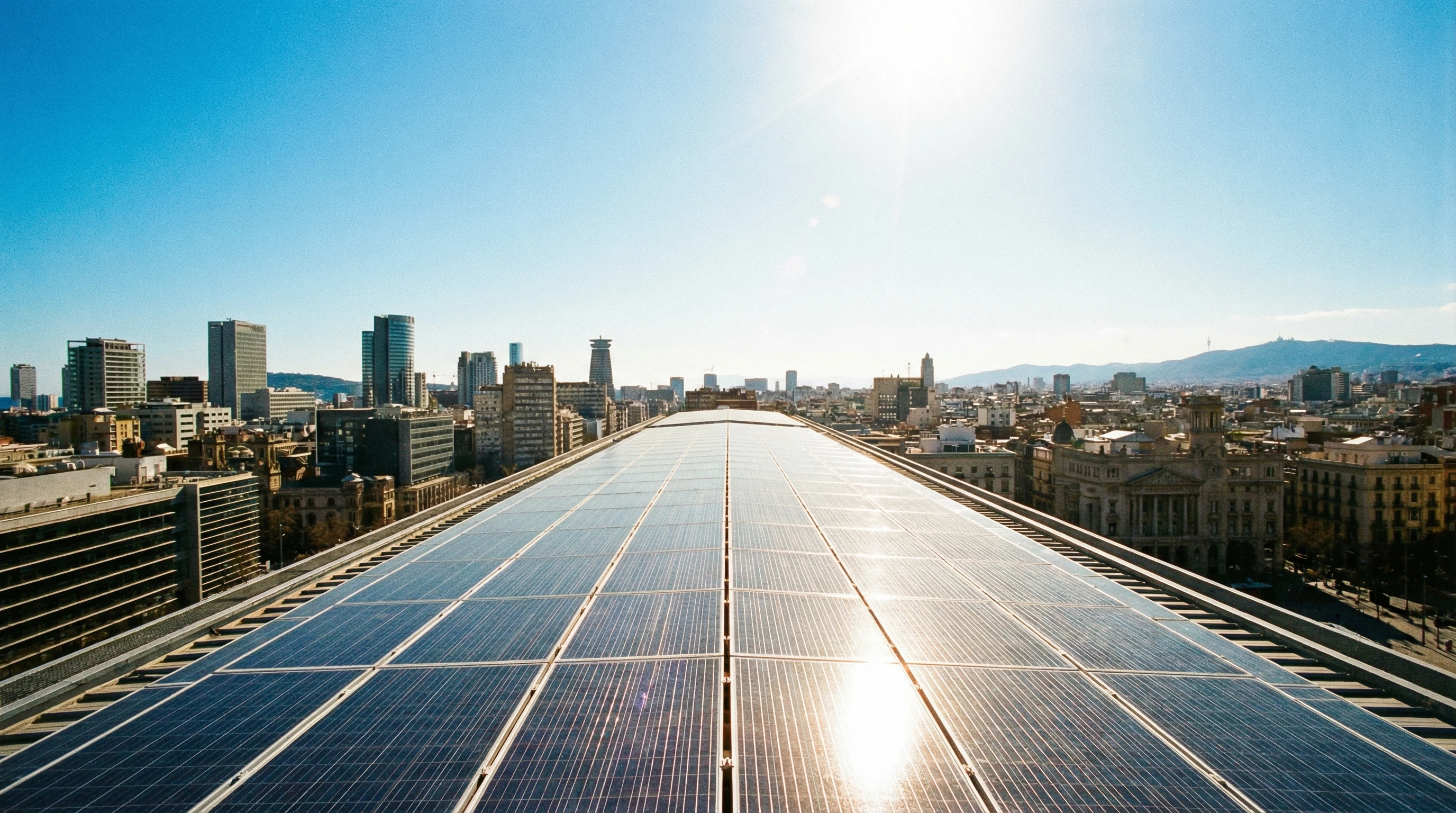
Solar energy has shifted from something you’d see only in science magazines to a real option for homes and businesses all around the world. Technology improvements and lower costs, along with concerns about pollution, have caused more people to track down information about putting solar panels on their roofs. Not only are governments offering tax breaks and rebates, but more banks and lenders are also making it easy for folks to get started with special solar loans.
Switching to solar helps reduce the demand for fossil fuels, which are limited and expensive. When you create electricity from the sun, you’re using a clean power source that won’t run out (at least not for a few billion more years). Plus, you’re making it right where you need it, so there’s minimal waste.
Solar energy isn’t exactly new, but it’s only recently become practical for most families and small businesses. Back in the early days, solar panels were bulky and pricey. But today’s systems are smaller, more efficient, and way easier to install and take care of. This change has made solar panels a familiar sight in neighborhoods, big box stores, and even off-grid cottages.
Figuring Out If Solar is Right for You
Getting into solar has a lot of perks, but it can feel like a big choice. Here are some key things to think about before you mix it up:
- How much sunlight does your roof get? Solar panels need sunlight to create electricity. If your roof is in the shade most of the day, you might not get the best results. It helps to check out your location and consider the size and angle of your roof.
- What kind of roof do you have? Most solar systems are the easiest to install on asphalt shingle roofs. Tile or metal roofs usually work too, but might need special mounts.
- How much are you spending on electricity now? If your power bills are already pretty low, your savings might take longer to catch up to your investment in solar. In places where electricity is expensive, solar becomes a lot more practical.
Looking over all these details with a local solar installer gives you a real idea of what solar can do for your specific home. They’ll usually do a simple site assessment to help you decide if it’s worth the cost, and sometimes it’s free.
How To Get Started With Solar Power
Switching to solar looks complicated from the outside, but the process is easier than ever. Here’s a basic overview to get you rolling:
- Ask for a home assessment: Most installers will visit your home, check the roof, and estimate your future savings.
- Compare financing options: You can buy systems outright, lease panels, or get a loan for your solar project. Rebates and tax credits can really give your upfront cost a boost, so check with your installer about what’s available in your area.
- Sign up for the installation: Once you pick a plan, the crew takes care of the permits, paperwork, and getting the right parts for your roof.
- Relax while it’s installed: Most residential setups are done in a day or two. Then your system gets inspected and hooked up to the grid.
- Start saving: Your panels make clean energy from the start, which means lower bills almost right away.
Choosing a good installer and checking their credentials is always a smart move. Directories from the Solar Energy Industries Association or user reviews on big sites are helpful when you’re picking who to work with.
Things To Think About Before Going Solar
Solar systems are low maintenance, but there are some things you should know before getting started:
- Upfront costs: Even with lower panel prices, you still need to pay to get everything installed. Incentives and financing can help, but it’s good to know what you’re signing up for.
- Roof repairs: Installing solar on a roof that needs to be replaced soon means you’ll need to uninstall and reinstall the panels later. It’s usually best to fix the roof first, so you don’t pay extra down the road.
- Local permits and rules: Towns and HOAs sometimes have strict rules about what you can install or how your panels can look. Checking into these first smooths the way for your project.
- Maintenance and cleaning: Solar panels don’t need much. But keeping them clear of debris, leaves, or heavy snow helps them work their best.
Upfront Costs and Incentives
The price tag for a home solar setup can seem big at first, usually from $10,000 to $25,000 before incentives. But between a 30% federal tax credit (as of 2024) and state rebates in some regions, that investment drops sharply. Many banks also offer low-interest, loans for home energy upgrades. Some states let you sell extra power back to the grid or have programs like Solar Renewable Energy Certificates (SRECs), which put a little cash in your pocket for the energy you create.
Roof Repairs
If your roof is over 15 years old or looks damaged, replacing it before solar panels go up is just smart planning. You avoid repeating the work and extra costs later. Some solar companies do roofing as part of their service, so it’s worth asking if you need both jobs done.
Permits and Local Rules
Every city or neighborhood has its own rules about what you can add to your house. Some require engineering drawings or approval for anything visible from the street. Experienced installers usually handle the paperwork, but it makes sense to check with your local building office or homeowners group yourself, just in case.
Maintenance and Cleaning
Panels can pick up dirt, pollen, or snow, especially near trees or in dry, dusty areas. Rain does most of the cleaning, but you get the most power when they’re spotless. Giving them a rinse with a hose a few times a year is enough. Once installed, panels rarely break down; most last over 25 years, with only a minor drop in output over time.
Solar technology is always getting better, so new gadgets keep making systems more useful and easier to use. Staying up to date with the latest gear helps you make the most of your investment and learn about new options like battery storage if you want more freedom from the grid.
Advanced Benefits and Eye-Catching Features With Solar Energy
Solar energy isn’t just about lowering your bills—it brings some pretty low-interest cool perks to your daily routine:
- Battery Storage: Modern systems now offer battery packs (like the Tesla Powerwall) that store extra power for nighttime or during outages.
- Energy Monitoring: Many setups include apps or screens so you can see what your panels are making in real time and adjust your usage for the best savings.
- Boosts Home Value: Homes with solar panels often sell faster and for more, according to U.S. Department of Energy studies.
Pairing solar with smart thermostats, next-level appliances, or an electric car can save you even more over time. Plenty of homeowners report that their summer AC costs are cut by half or more compared to using normal grid power.
Real-World Examples: How Does Solar Change Daily Life?
Families that make the move to solar often say their bills drop by 50% or more, especially in sunny places like California, Arizona, and Texas. Even in cloudier climates, new panels collect plenty of light. Utilities across the country support net metering, so you can send your extra power back and even earn credits when your panels generate more than you use.
- For off-grid living: Solar makes it possible to live comfortably where power lines don’t reach. It’s popular for cabins or tiny houses.
- Disaster Resilience: Power outages are less stressful for homes with solar and battery backup, since you keep lights and essentials running even in storms or bad weather.
Even renters or folks in apartments can sometimes get the benefit through community solar programs, letting you sign up for a local share of solar energy and lower your bill.
Frequently Asked Questions
These are a few things people ask me most about solar energy:
Q: What kind of maintenance do solar panels need?
A: Not much. Just keep the panels clear of junk or heavy snow. Most setups include remote apps that’ll let you know if something needs fixing.
Q: What happens when it’s cloudy or at night?
A: You still pull power from the grid like usual during those times. If you have batteries, you can use stored solar energy after dark or during outages instead.
Q: Can I put solar on a flat roof?
A: Flat roofs work fine. Installers use angled mounts so the panels face the sun for the best results.
Is It Time to Switch to Solar?
Solar energy is proving itself everywhere: from homes and apartments to businesses and even schools. If you have a roof that works for panels and pay more than pocket change for electricity, the savings add up quickly. Plus, there’s the bonus of knowing you’re using clean energy and making a positive mark on the planet. Checking out your local solar options and talking to a good installer is a great way to see how much you could save by mixing in solar power.